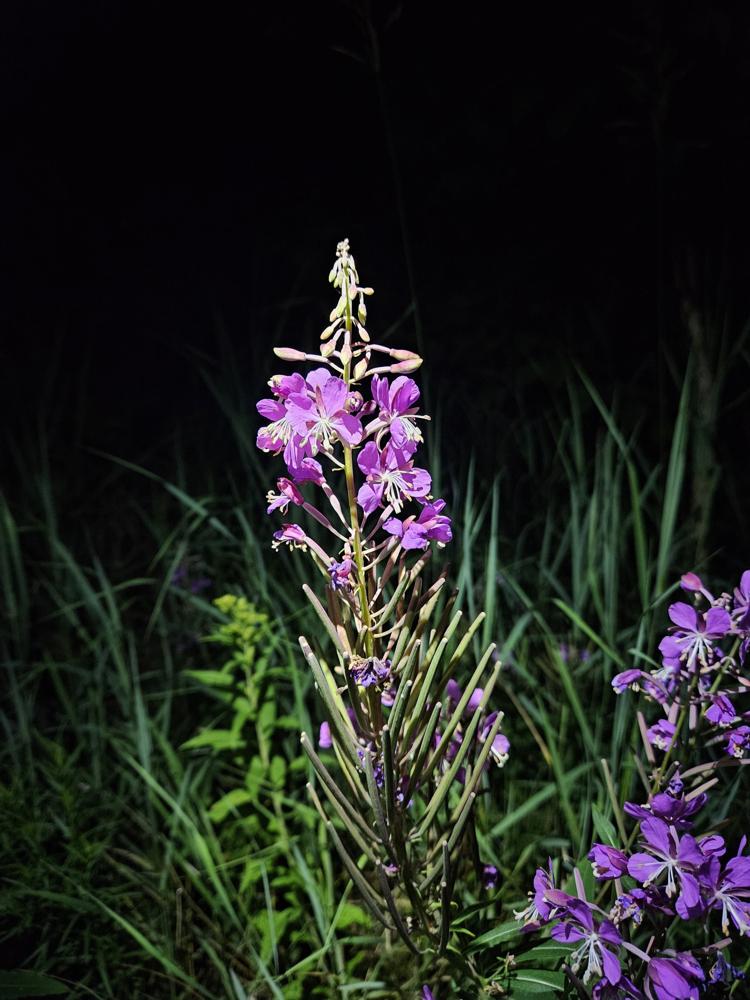
Fireweed.
Rebuilder of the Boreal. Firefighter of the Northern hemisphere, on the ground. Survivor of raging forest fires, WWII bomb craters, and the very blast of Mt. St. Helens.
If you live in the north, you’re probably familiar, at least peripherally, with fireweed. You’d probably recognize it on a roadside, even if you couldn’t break it down to genus and species, or even come up with it’s most common name.
Throughout the northlands, Chamaenerion angustifolium is known as a breathtaking splash of color, a friend to pollinators, a versatile edible, and an aggressive colonizer. It comes by its common name due to just that aggression, as it is the first to carpet the devastated landscape after a forest fire. It even blew ecologists’ dismal reports out of the water when it began to repopulate the wastelands of Mt. St. Helens within just a few weeks of eruption.
In London, fireweed filled urban bomb craters after Germany attacked in WWII. It’s affectionately known there as bombweed, and there are reports that the most viciously attacked areas of the city were the most gorgeous and hopeful soon after the bombings, color breaking through the monochrome horrors of that war-torn place.

Each humble stalk of fireweed can produce 80,000 fluffy seeds in a year, blown out like micro-milkweed and dispersed on the wind. It’s power comes, though, in it’s ability to lie in wait. Those seeds scatter, and they take root where they can, and the plant puts it’s future into its underground network of rhizomes, snaking about under our feet. It doesn’t compete for sun well, so as soon as the young plants are shaded out, they give up the ghost and disappear.
They disappear from our sight, but not from existence. Their little tuberous travelers stick around, silent and suspended until it is their time once again. Enter fire (or bomb, or volcanic explosion), and the fireweed sniffs out it’s opportunity and grows like wildfire itself.
The amazing thing is that it can survive the heat. The fires are one thing, but a bomb? The eruption of a massive volcano? That’s a hardy little rhizome. Certainly surprised the scientists. It’s even been known to colonize land smothered by oil spills.
It’s a pretty cool plant, but on it’s list of miracles is also it’s ability to rebuild the land. The web of rhizomes growing, growing, growing, can stabilize the ravaged soil, and the plant itself, which thrives in nutrient-depleted soils, does a great job of cycling nutrients back into the system, building the future that will eventually overtake it and send it back underground to rest.
I learned about fireweed first from the Biologist Kid, way back in the pre-pandemic days when she was a lay botanist. She spent a few summers after fledging up on the Gunflint Trail in the Boundary Waters (the Canoe Wilderness we just paddled out of a few short days ago), and picked up some fun botanical facts to add to her lexicon. Should have known then that she’d soon be making a living by IDing plants with a hand lens on the shores of the greatest lake in the world. Truth be told, we should have known a long time before that.





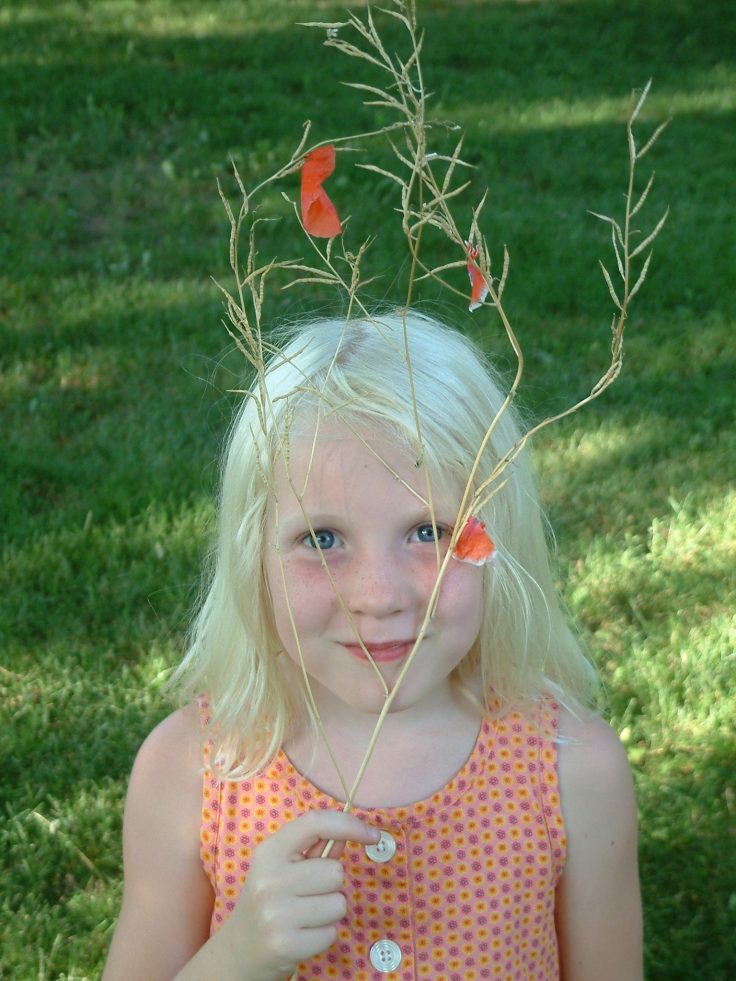


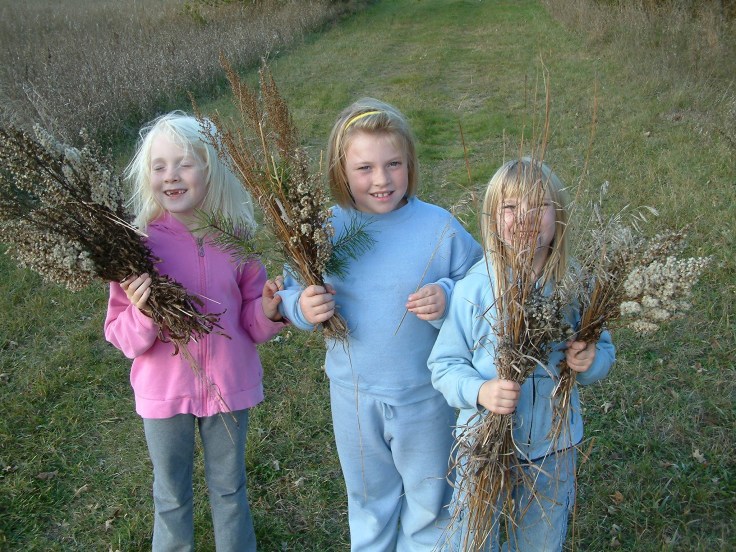

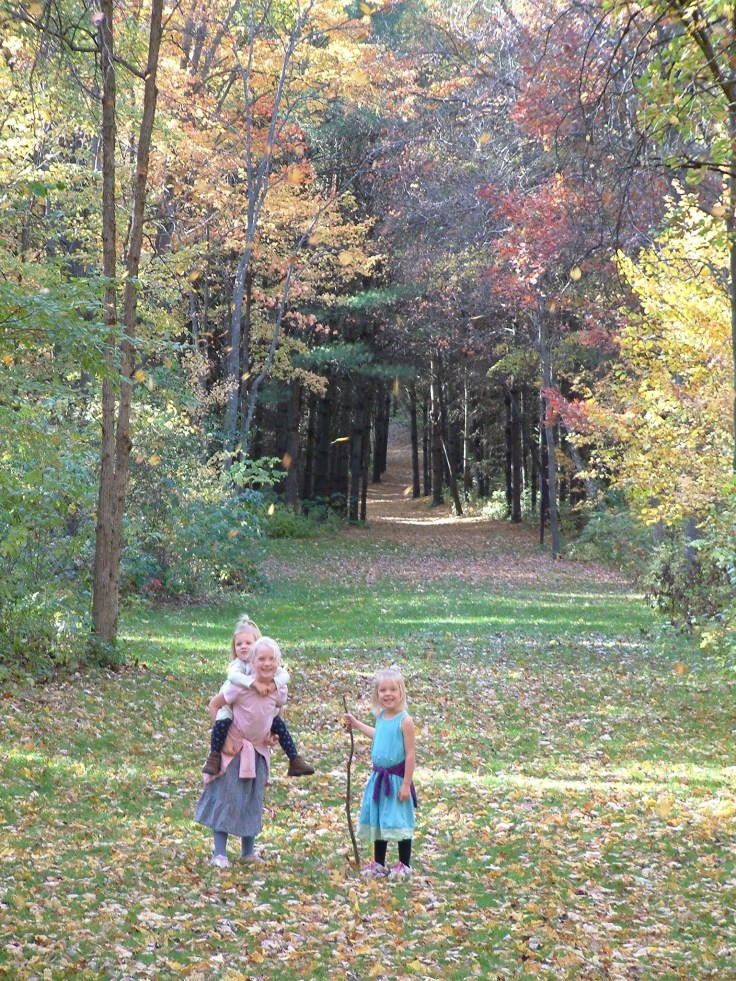


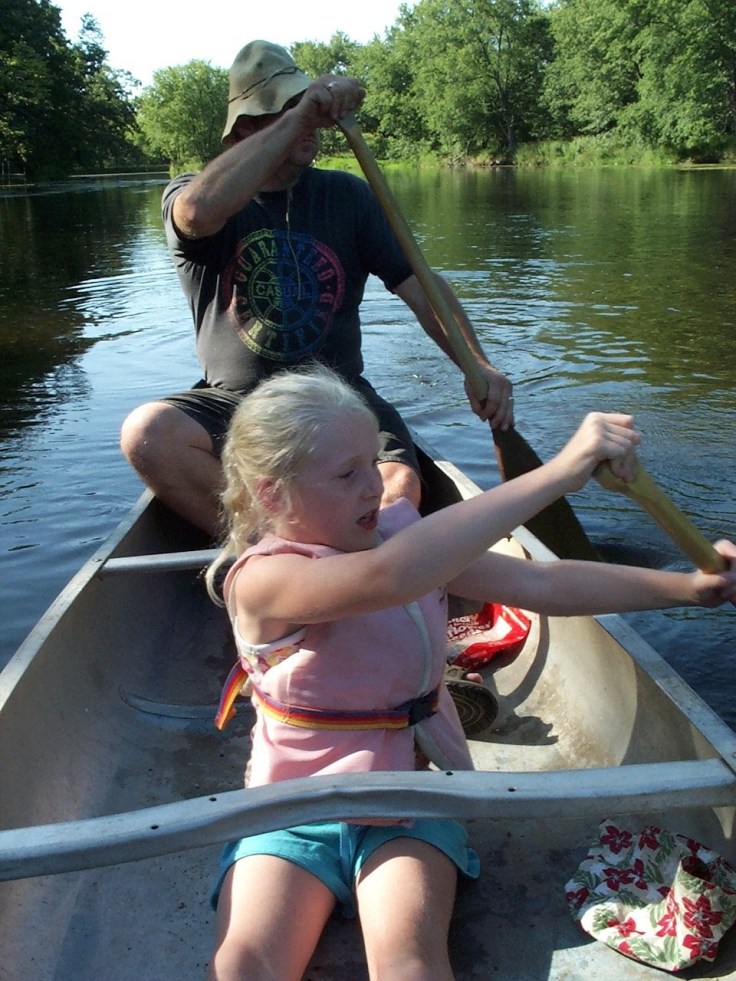


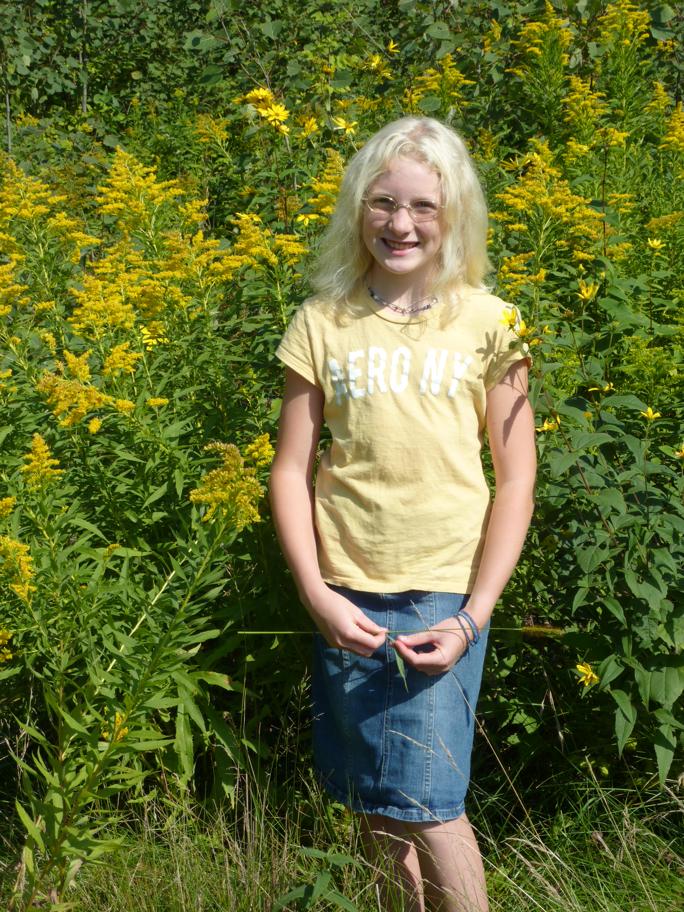


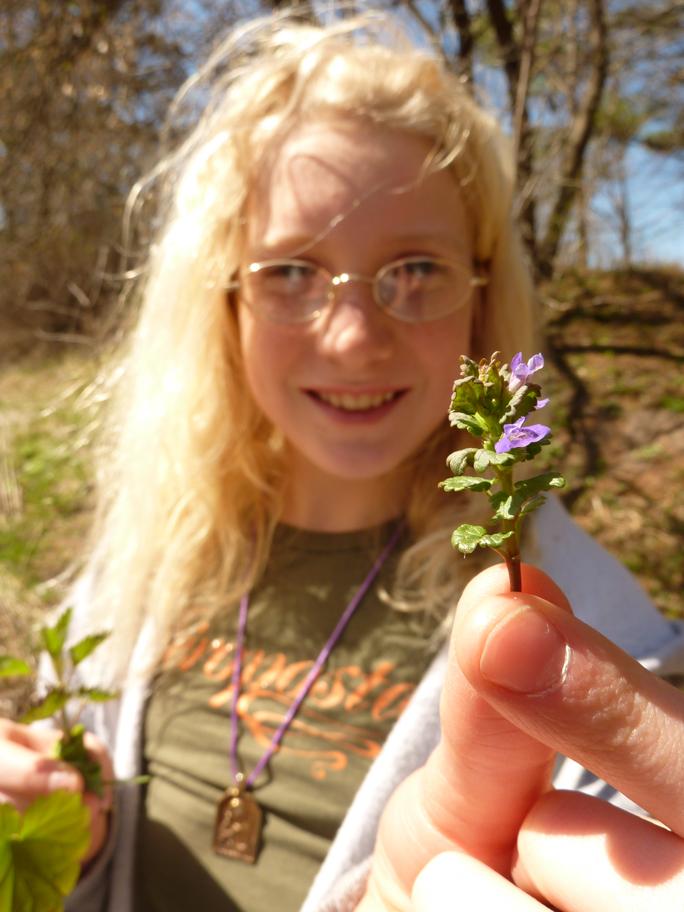
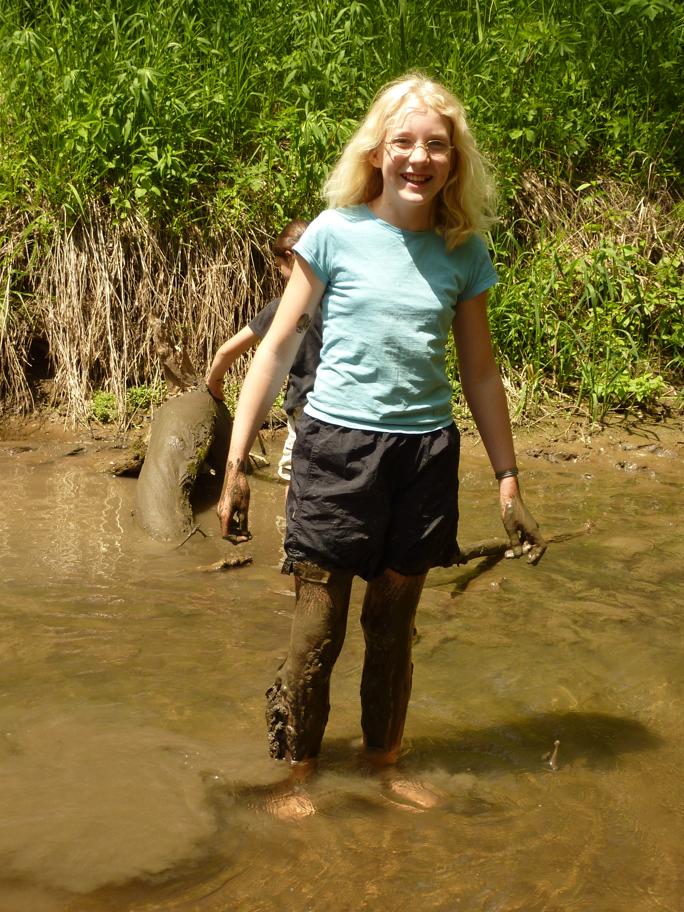


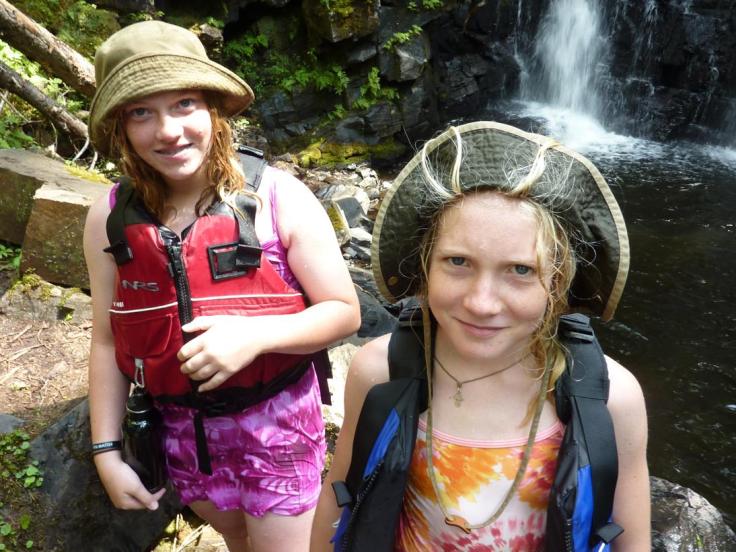



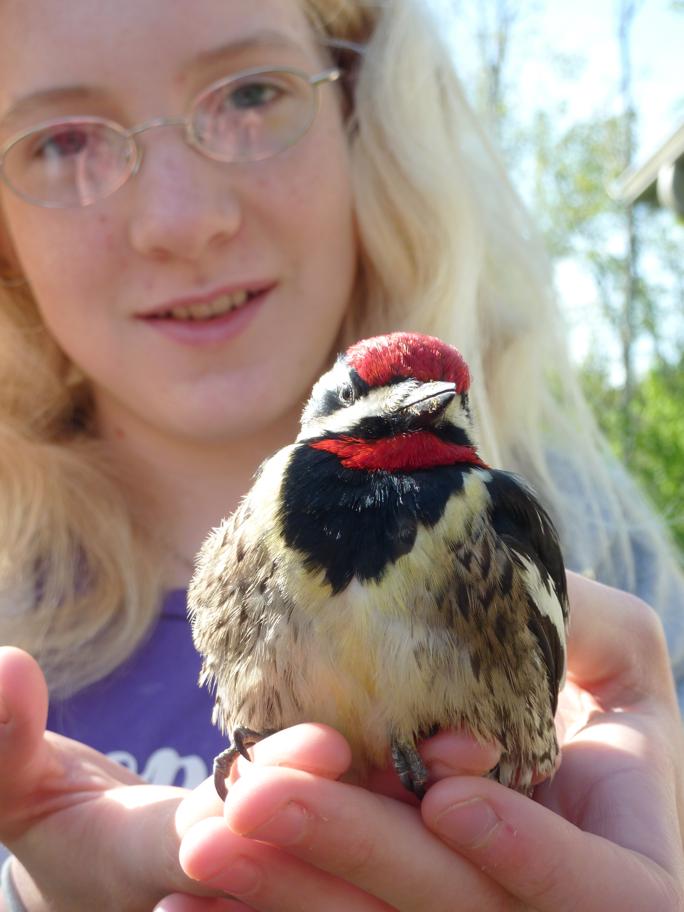


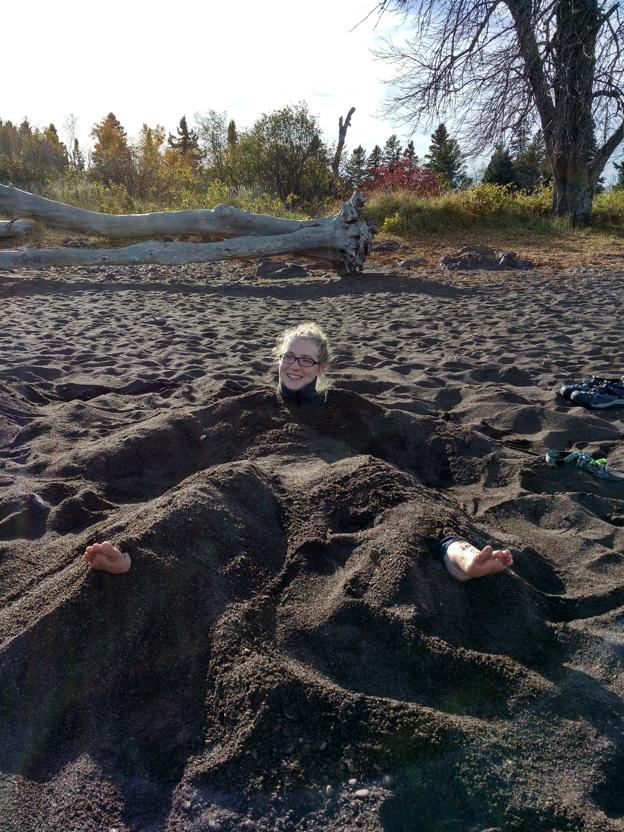


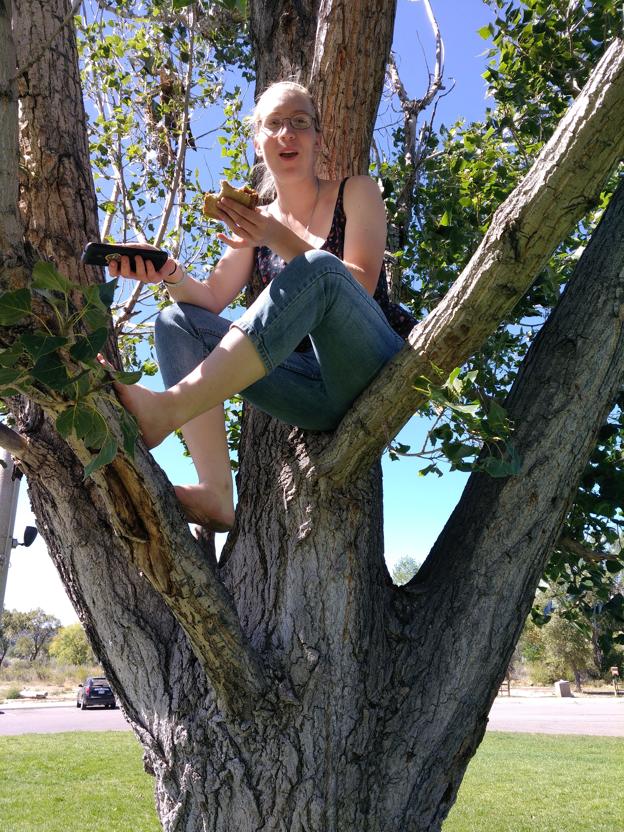


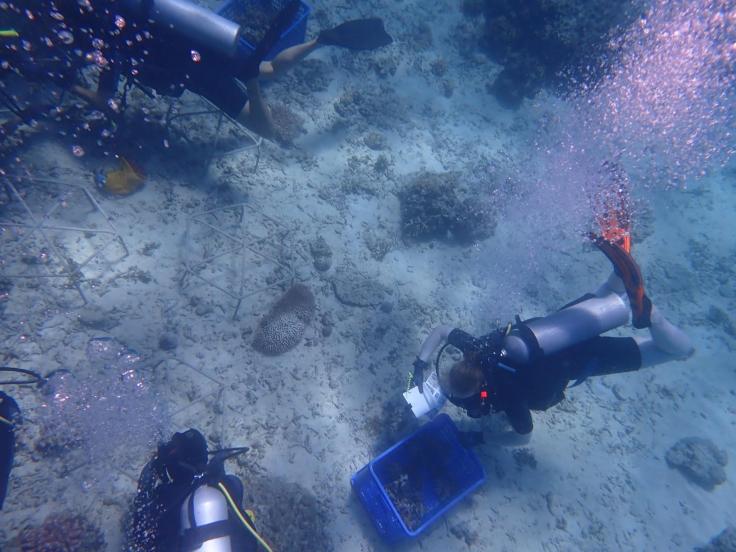


I was only looking for one old picture, but a rabbit hole appeared, and I dove in.
Feel free to ignore my little tribute to the Biologist Kid’s roots.
(The one I was looking for? Creeping Charlie on display.)
Today, though, fireweed was brought to the front of my mind as one of those most excellent of metaphors for life.
“Consider the great losses of your life that have ravaged like a forest fire through the landscape of your soul and taken it all to the ground. What new and delicate blossoms have broken through the ravaged soil, fed on nutrients that only fire could create?”
~ Mirabai Starr, St. Francis of Assisi

You see how my mind fluttered right over to fireweed.

How about you? What impossible beauties have erupted in your life on the very heels of death and destruction?
These are things only visible in the retrospective, to be sure.
I don’t know many who can glimpse those future blossoms while the fire rages. I don’t know many who can face those flames and say as they lick up their calves, or shoulderblades, that it will be worth it one day. Maybe it depends on your flames, but my higher ranking walls of fire suffocate all ability to even see that a future is possible, let alone that it might be a good one.
Truly, I don’t even know what ‘worth it’ means in this context.
“For we are held by more than the force of gravity to the earth.”
~ N. Scott Momaday, Earth
There on the other side, as new life emerges, more fantastic than ever seemed possible, I think we’d all be hard pressed to say it was worth it, that blistering firestorm, that we’d dive back in in a heartbeat. But at the same time, if we’re exceptionally lucky, we’d also be hard pressed to say we would wish it undone.
It’s one of those things that sidestep mathematics and scoff at explanation. Another of the impossibilities of life here in the Milky Way.
I would love, more than anything, to arrive at the other side of life’s blazes without having to have endured the blaze. Nevertheless, some of the greatest gifts appear to come directly out of the furnace.
Was that furnace necessary? Did life have to come through death?
Above my paygrade, those questions. The only thing certain is that life did come through death. It did happen that way. We walked through fire, and it changed us.
Some gratitude that the furnace was not the last word seems appropriate.
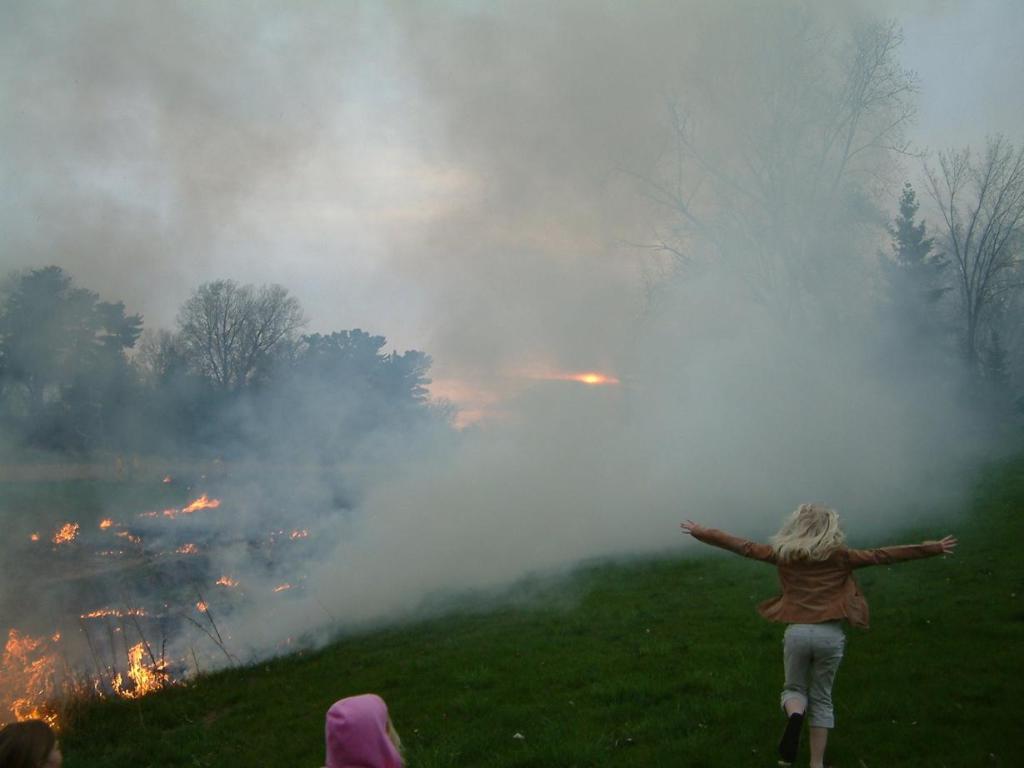
Mostly, though, I’ve been thinking about how critical fireweed is, and how we are, in the deepest parts of our soul, fireweed dressed in a different skin.
About our potential, to be beauty, to be food, to be refuge, but most of all, to hold the line for others while it is all burning down around them. To root down strong, to wait for our time, to be first on scene as the landscape smolders, and to be the first signs of life in the wreckage. To breathe in the spent soil of those desolate places in people’s lives, and breathe out the nutrients with which they can rebuild. To hold the space for all the flourishing to come.

All we need is to be able to take the heat, a skill most often learned by coming through our own fires through the graces of all the fireweed planted around us. Pay it forward.
“May I be the tiniest nail in the house of the universe, tiny but useful. May I stay forever in the stream.”
~ Mary Oliver, Upstream
“Be humble because you are made of earth. Be noble, for you are made of stars.”
~ Serbian Proverb
“Another world is not only possible, she is on her way. On a quiet day, I can hear her breathing.”
~ Arundhati Roy

 Tucked happily into the gorgeous hills and woods of Wisconsin, I write about life, faith, and the humor that both require.


 Tales From the Nexus
Well done, Krista! Once again you plant the seeds of hope…..~Nikki
LikeLiked by 1 person
Aw. Thank you. 🥰
LikeLike
Fireweed… the phoenix of flowers.
😊
LikeLiked by 1 person
Truth! I should have included that! Where were you while I was writing?
LikeLiked by 1 person
In Maine. Waiting for you to post it…
😉
LikeLiked by 1 person
😁😁😁
LikeLiked by 1 person